Sports Injury Assessment
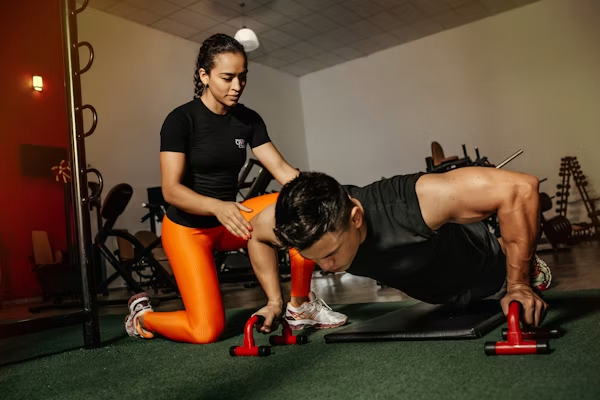
A sports injury assessment identifies the injured structure, the severity of damage, and factors that may affect safe return to activity. It is suitable for acute injuries as well as pain that has developed gradually with training.
Common Conditions Treated
- Acute joint and ligament injuries
- Overuse pain and repetitive-load injuries
- Swelling, weakness, or loss of movement
- Persistent symptoms during sport or exercise
Treatment Approach
The assessment considers the mechanism of injury, sport demands, training load, movement, strength, and stability. Imaging is used when it is likely to clarify the diagnosis or alter the management plan.
Benefits
- Early identification of the likely injury
- A sport-specific recovery plan
- Guidance on safe activity modification
- Clear criteria for progression back to training

Muscle Strain & Tear Treatment
Muscle strains range from minor fibre injury to a complete tear. Common sites include the hamstring, calf, quadriceps, groin, and shoulder muscles, with treatment guided by severity, location, function, and sporting demands.
Common Conditions Treated
- Hamstring and quadriceps strains
- Calf and groin muscle injury
- Acute muscle tears or bruising
- Recurrent strain during training
Treatment Approach
Early care controls pain and swelling while protecting the injured tissue. Rehabilitation then restores movement, strength, load tolerance, and sport-specific skills before unrestricted training resumes.
Benefits
- Protection of the injured muscle during early healing
- Progressive restoration of strength and flexibility
- Correction of contributing load or movement factors
- Reduced risk of returning before adequate recovery

Tendon Injury Management
Tendon problems may develop suddenly after a tear or gradually from repeated loading. Management distinguishes reactive or chronic tendinopathy from partial and complete tears because each requires a different progression.
Common Conditions Treated
- Achilles and patellar tendon pain
- Rotator cuff and elbow tendon problems
- Partial tendon tears
- Acute complete tendon rupture
Treatment Approach
Clinical examination and selective ultrasound or MRI assess tendon continuity and quality. Most overuse conditions begin with load management and progressive strengthening, while complete or displaced tears may require surgical discussion.
Benefits
- Treatment matched to the type of tendon injury
- Progressive improvement in load tolerance
- Guidance on footwear, technique, and training load
- A safer transition back to sport or work
Athlete Conditioning Guidance
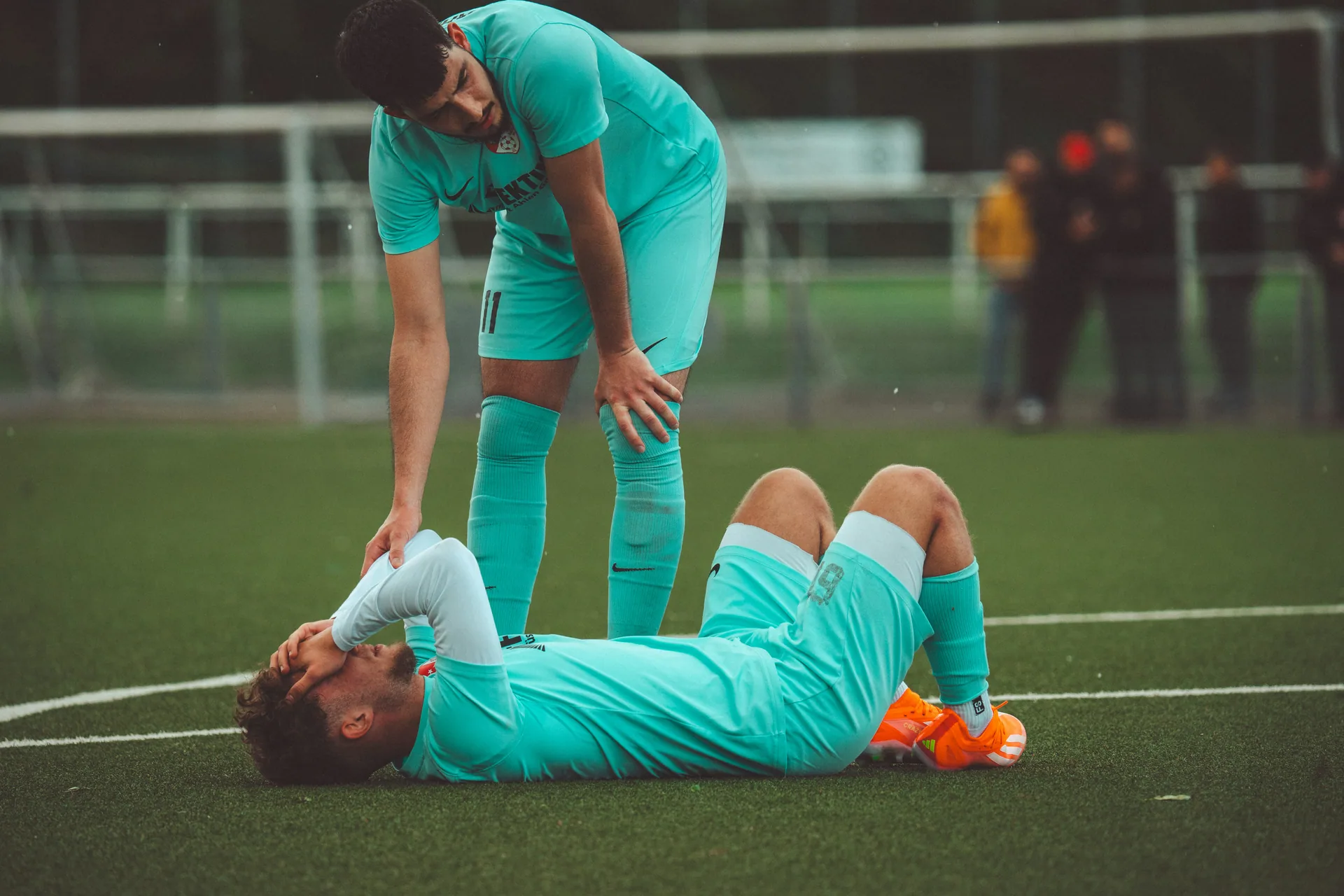
Conditioning guidance helps an athlete rebuild the mobility, strength, control, and workload capacity required for a specific sport. It is used during injury recovery and to address modifiable factors linked to repeated symptoms.
Common Conditions Treated
- Return to training after injury
- Reduced strength, balance, or movement control
- Recurrent overload symptoms
- Rapid changes in training volume or intensity
Treatment Approach
A progressive programme is coordinated around the athlete’s diagnosis, position, season, and goals. Exercises advance from foundational strength and control to running, jumping, change of direction, and sport-specific drills as appropriate.
Benefits
- A staged increase in training capacity
- Improved strength and movement control
- Objective milestones for return to play
- Better coordination of recovery, rest, and workload