Shoulder Pain Evaluation
Shoulder pain can arise from the rotator cuff, tendons, labrum, joint, or surrounding muscles. A focused assessment identifies the likely source and helps distinguish problems that can improve with rehabilitation from those needing further intervention.
Common Conditions Treated
- Rotator cuff-related pain and weakness
- Painful overhead movement
- Frozen shoulder and stiffness
- Arthritis or activity-related joint pain
Treatment Approach
Evaluation includes symptom history, movement and strength testing, and imaging when needed. Treatment may involve activity modification, medication guidance, physiotherapy, injection therapy, or surgery for a clearly defined structural problem.
Benefits
- A diagnosis-led treatment plan
- Appropriate use of imaging and non-surgical care
- Improved movement and function where possible
- Clear guidance about when surgery is or is not required
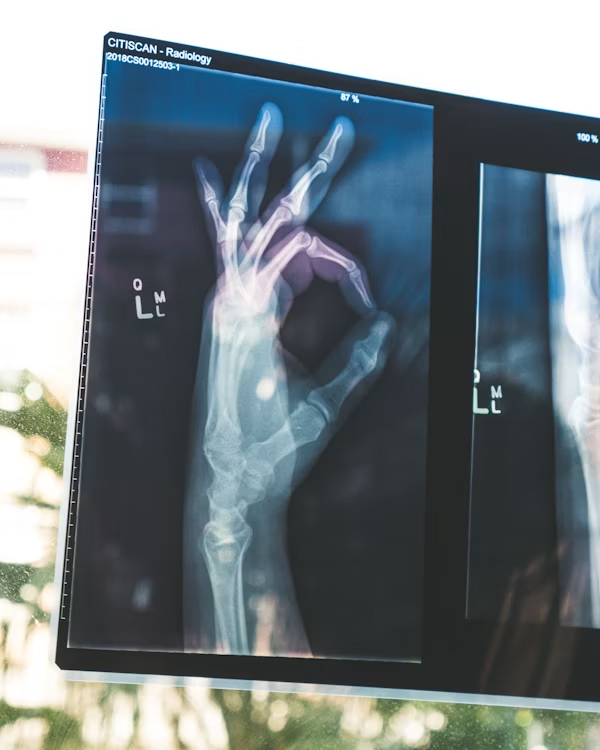
Shoulder Instability / Recurrent Dislocations
Shoulder instability can follow a traumatic dislocation or develop through repeated stretching of the stabilising tissues. Recurrent episodes may damage the labrum, capsule, or bone and affect confidence in sport and daily movement.
Common Conditions Treated
- First-time or recurrent shoulder dislocation
- Labral and capsular injury
- A feeling that the shoulder slips or gives way
- Instability with associated bone loss
Treatment Approach
Assessment reviews the direction and frequency of instability, activity demands, and any bone or labral injury. Care can include stabilisation rehabilitation or, when indicated, arthroscopic or open stabilisation tailored to the anatomy.
Benefits
- Improved shoulder stability
- Reduced risk of further instability episodes
- Protection of the labrum and joint surface
- A structured return-to-sport or work plan
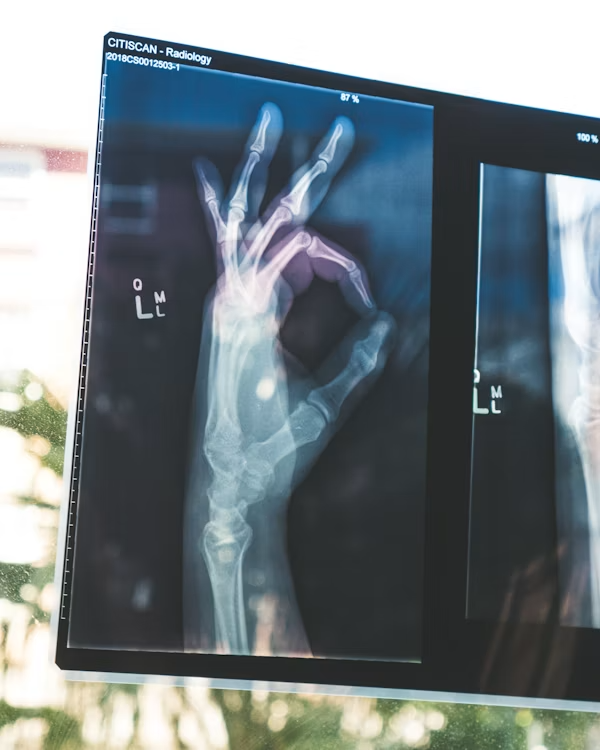
Rotator Cuff Repair
Rotator cuff repair reconnects a suitable torn tendon to the upper arm bone. It may be considered for traumatic tears or persistent pain and weakness that have not improved with an appropriate non-surgical programme.
Common Conditions Treated
- Repairable full-thickness rotator cuff tears
- Acute traumatic tendon tears
- Persistent pain with shoulder weakness
- Loss of function despite rehabilitation
Treatment Approach
Examination and imaging define the tendon involved, tear size, retraction, and muscle quality. Arthroscopic repair is followed by a protected period in a sling and progressive rehabilitation to restore movement and strength.
Benefits
- A protected environment for tendon healing
- Support for improved strength and function
- Reduction of pain linked to a repairable tear
- Progressive, criteria-based rehabilitation
Reverse Shoulder Replacement
Reverse shoulder replacement changes the ball-and-socket orientation so the deltoid can contribute more to lifting the arm. It is used only for selected conditions in which a conventional replacement or cuff repair is unlikely to function well.
Common Conditions Treated
- Cuff-tear arthropathy
- Irreparable rotator cuff tear with painful loss of function
- Selected complex shoulder fractures
- Failed previous shoulder replacement or chronic instability
Treatment Approach
Careful clinical and imaging assessment confirms whether the pattern of arthritis, tendon damage, bone quality, and overall health make reverse replacement appropriate. Surgery is followed by protection and staged shoulder rehabilitation.
Benefits
- Pain relief for an appropriately selected damaged joint
- Improved ability to lift the arm in selected patients
- Stable reconstruction of complex shoulder problems
- Support for daily independence and function


