Cartilage Injury Evaluation
Cartilage injuries can cause pain, swelling, catching, or activity limitation. Evaluation identifies whether symptoms arise from a focal defect, associated meniscus or ligament damage, alignment, or more widespread arthritis.
Common Conditions Treated
- Focal cartilage defects
- Osteochondral injuries
- Swelling or catching after a joint injury
- Persistent joint pain in active patients
Treatment Approach
Assessment combines history, examination, X-rays, and MRI when needed. The lesion’s size, depth, location, surrounding cartilage, alignment, and stability determine whether rehabilitation or a procedure should be considered.
Benefits
- Clear distinction between focal injury and arthritis
- Identification of associated joint problems
- A treatment plan matched to the lesion
- Early guidance on safe activity and loading
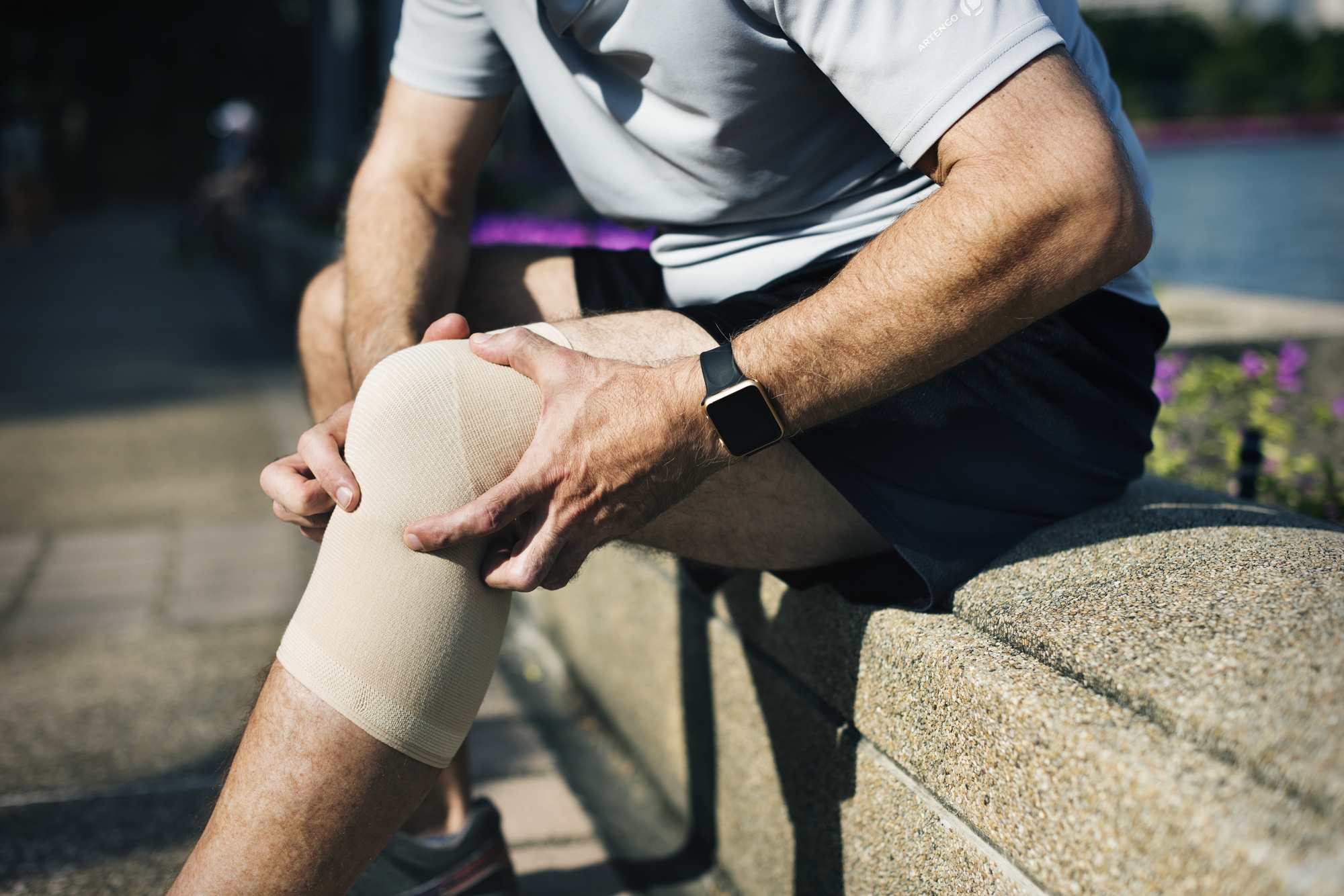
Cartilage Repair Procedures
Cartilage repair procedures treat selected focal defects with the aim of improving the damaged surface and protecting the rest of the joint. Options vary according to lesion size, depth, location, and patient factors.
Common Conditions Treated
- Symptomatic focal chondral defects
- Osteochondral lesions
- Cartilage damage after sports injury
- Persistent symptoms despite appropriate rehabilitation
Treatment Approach
Treatment may include arthroscopic preparation, marrow stimulation, osteochondral grafting, or another restorative technique. Associated alignment, meniscus, or ligament problems are considered as part of the same plan.
Benefits
- Treatment directed at the focal defect
- Preservation of healthy surrounding cartilage
- Support for improved joint movement and comfort
- Structured protection and rehabilitation after treatment

Biological Treatment Options
Selected injection-based biological options may be discussed as one part of non-surgical joint care. Their suitability and expected benefit vary with the diagnosis, stage of disease, available evidence, and individual health factors.
Common Conditions Treated
- Early degenerative joint symptoms
- Selected tendon or soft-tissue conditions
- Persistent symptoms despite activity and rehabilitation changes
- Patients seeking a diagnosis-led non-surgical plan
Treatment Approach
The joint or tissue is first assessed to confirm the pain source. The clinician then explains standard care, possible injection options, limitations of current evidence, risks, cost, and whether a structural problem needs different treatment.
Benefits
- Individual discussion of realistic treatment options
- Use only after a defined clinical diagnosis
- Integration with rehabilitation and load management
- Clear explanation of evidence, limitations, and alternatives
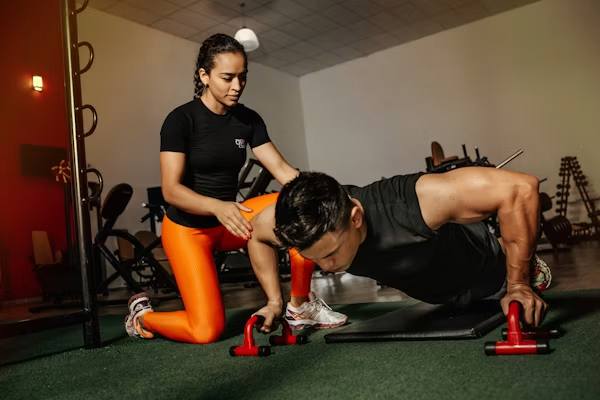
Early Arthritis Care
Early arthritis care aims to reduce symptoms, preserve activity, and address modifiable factors before joint damage becomes advanced. Plans are tailored to the involved joint, lifestyle, strength, body weight, and medical history.
Common Conditions Treated
- Early or moderate osteoarthritis
- Activity-related joint pain and stiffness
- Post-traumatic joint degeneration
- Reduced mobility without end-stage joint damage
Treatment Approach
Care commonly combines education, activity modification, targeted exercise, weight and lifestyle guidance where relevant, medication discussion, and selected injections. Progress is reviewed and adjusted to symptoms and function.
Benefits
- Support for pain control and daily movement
- Improved strength around the affected joint
- A practical activity and load-management plan
- Ongoing review as symptoms or needs change

Joint Preservation Surgery
Joint preservation surgery addresses correctable causes of overload or focal damage while retaining the natural joint. It is considered only when symptoms, imaging, age, activity, and the remaining joint surface make preservation reasonable.
Common Conditions Treated
- Focal cartilage damage
- Alignment-related compartment overload
- Meniscus deficiency or ligament instability
- Early arthritis with a correctable mechanical factor
Treatment Approach
The plan may combine cartilage restoration, meniscus treatment, ligament reconstruction, or bone realignment. Each component is selected to improve mechanics and protect the repaired or preserved joint surface.
Benefits
- Retention of the native joint where appropriate
- Correction of specific mechanical contributors
- More balanced joint loading
- A long-term rehabilitation and monitoring plan
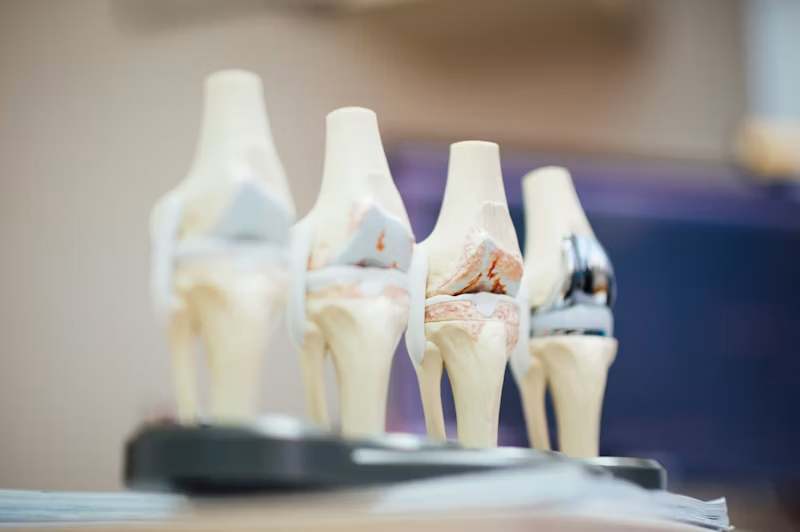
Sports Cartilage Injuries
Sports cartilage injuries can follow impact, twisting, instability, or repetitive overload. Because cartilage symptoms may coexist with ligament or meniscus damage, a complete sports-focused assessment is important.
Common Conditions Treated
- Focal cartilage injury after trauma
- Osteochondral lesions in athletes
- Swelling or catching during sport
- Cartilage injury with ligament or meniscus damage
Treatment Approach
Treatment begins with load modification and rehabilitation when suitable. Persistent focal defects may need arthroscopic or restorative treatment, with return to sport based on healing, strength, control, and joint response.
Benefits
- Management of the complete injury pattern
- Protection of the joint during recovery
- Sport-specific rehabilitation milestones
- A careful progression back to impact and competition